


February 20, 2026
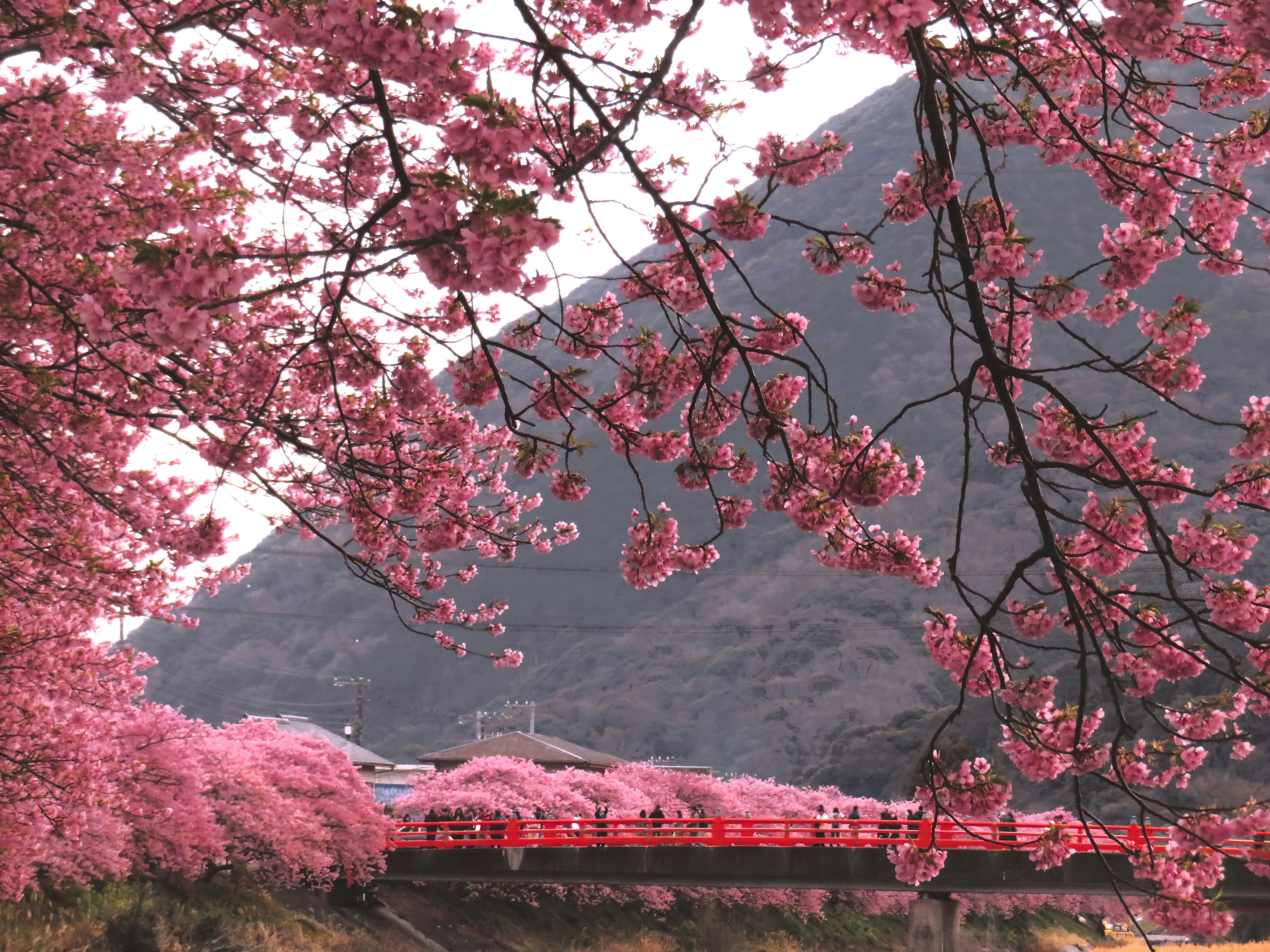
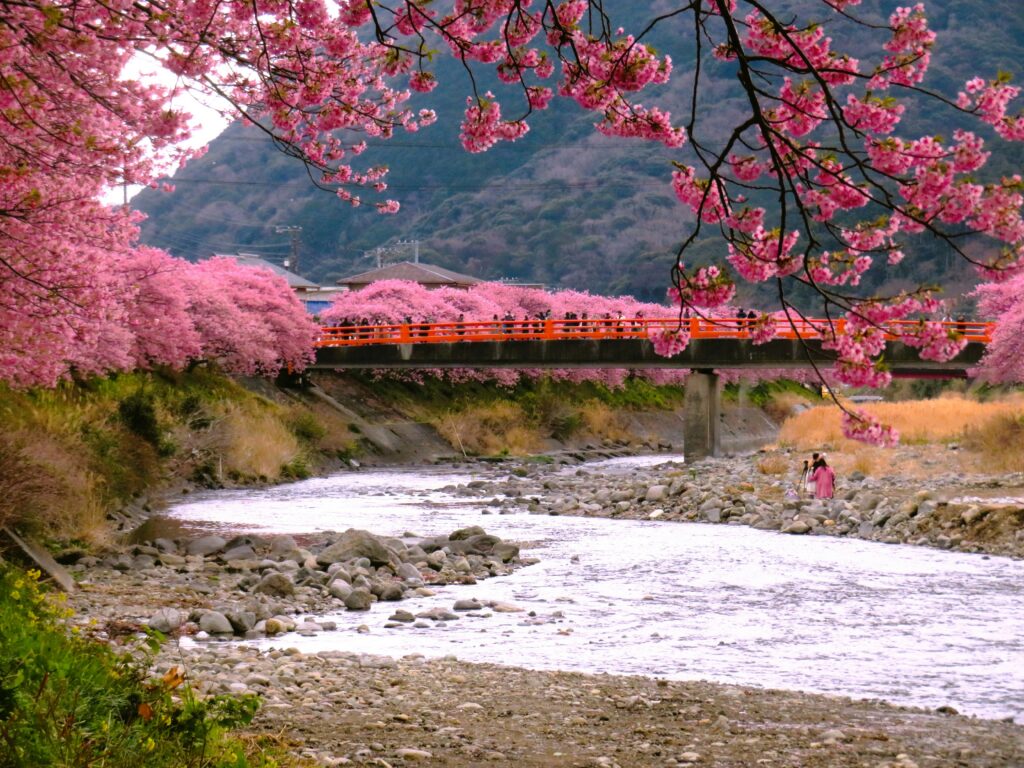
Japan is a country that shifts beautifully with the seasons. And nowhere is that more evident than in Tokyo in spring, when cherry blossoms soften the city in shades of pale pink.
If you are considering the best time to visit Tokyo, timing shapes your entire experience. Weather patterns, hotel availability, restaurant reservations, and the overall rhythm of your days all change depending on when you travel.
For many travelers, witnessing cherry blossoms in full bloom is the dream. But choosing the best time to go also means balancing comfort, pricing, and pacing. Let’s walk through what that really looks like.
Why Cherry Blossom Season in Tokyo Feels So Meaningful
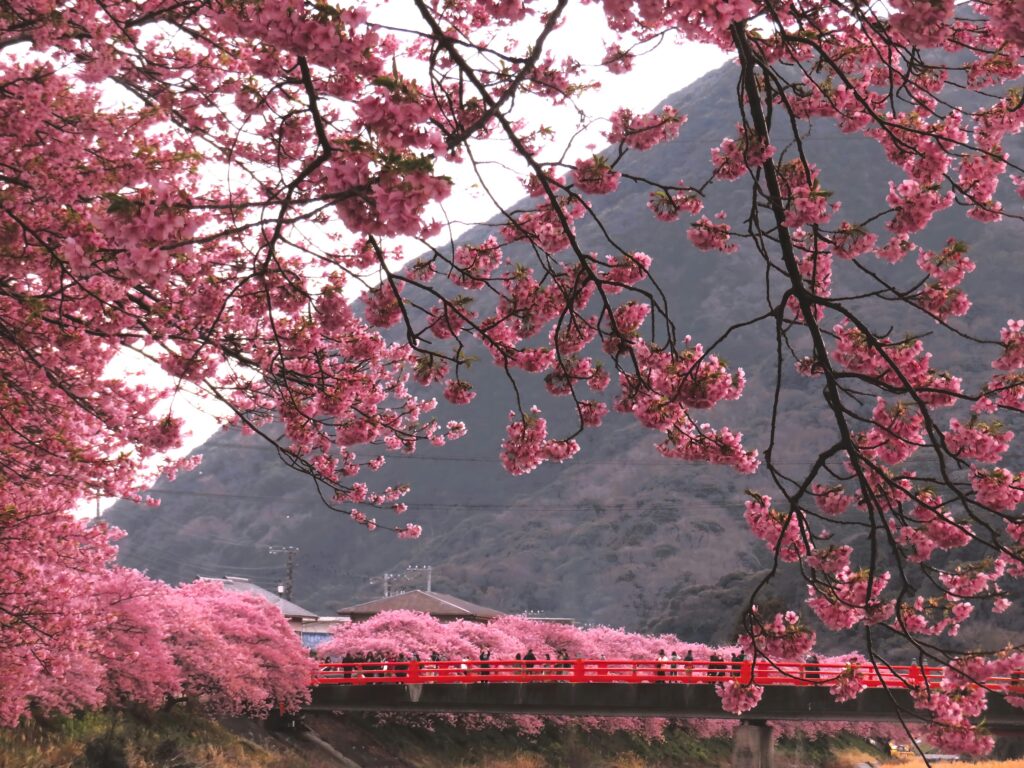
In Japan, the cherry blossom carries deep symbolism. It represents renewal, reflection, and the fleeting nature of beauty.
Cherry blossom season in Tokyo is not just about beautiful parks. It is a cultural moment marked by gatherings, open-air dining, and seasonal festivals. Families and friends gather beneath the trees for hanami, lingering over meals as petals drift overhead.
There is something quietly powerful about being in Tokyo during this time. It feels celebratory, yet thoughtful. Experiencing cherry blossoms within this cultural context creates a memory that feels layered and intentional.
When Do Cherry Blossoms Bloom in March?
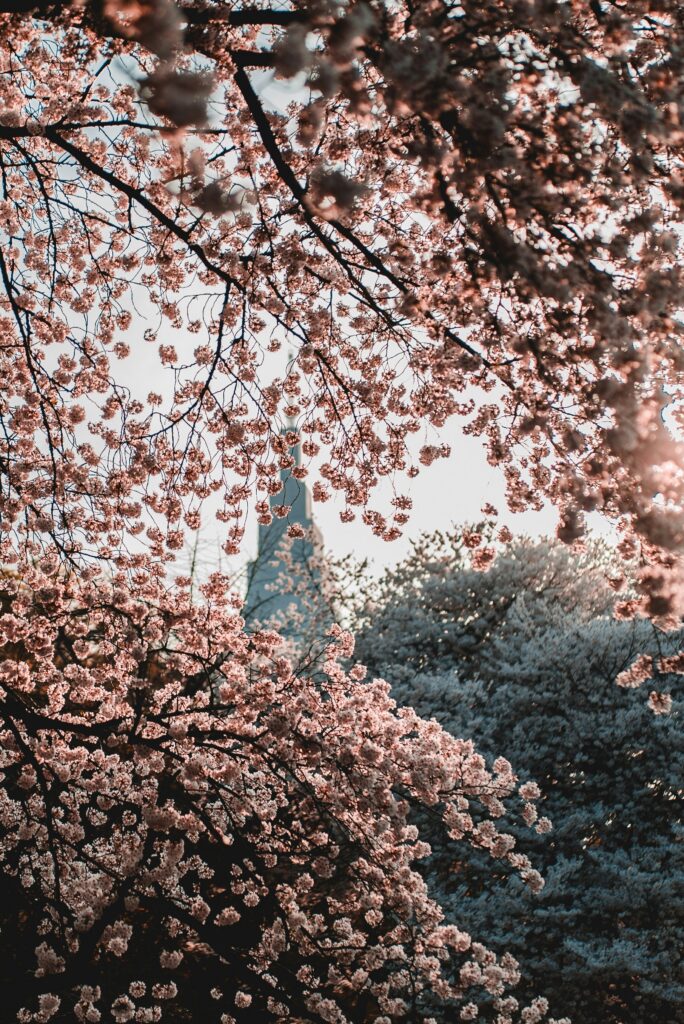
In most years, cherry blossoms begin blooming in late March, reaching peak bloom between the final week of March and early April. This mar apr window is brief, often lasting only 7 to 10 days.
Because weather shifts from year to year, bloom timing can move slightly. A warmer winter may push blossoms earlier. Cooler temperatures can delay peak bloom by several days.
Even adjusting your arrival by one or two days can dramatically impact what you see. Monitoring bloom forecasts helps you plan your trip with precision.
Understanding Japan Seasons Before You Visit Tokyo
Japan seasons are clearly defined, and each one creates a different experience.
Spring brings mild temperatures and blossoms.
Summer delivers humidity, energy, and lively festivals.
Fall in Tokyo, especially September and November, offers crisp air and vibrant foliage.
Winter provides calmer streets and fewer visitors.
If comfortable walking days and cultural depth matter to you, spring and fall are often the best times to travel. The season you choose sets the tone for every day of your journey.
What to Expect During High Season in Tokyo
Spring is considered the high season in Tokyo and throughout Japan. Travel demand rises noticeably during this period.
Hotels book quickly. Dining reservations require advance planning. Popular parks feel lively during peak bloom days.
That said, busy does not have to feel overwhelming. Early mornings offer quieter views beneath the blossoms. Weekday outings feel more spacious than weekends. A private tour can provide cultural insight while helping you move through the city smoothly.
Many key events and Tokyo festivals take place during this season, adding richness to your itinerary beyond sightseeing.
Fall in Tokyo: September and November Travel
If March and April do not align with your schedule, fall offers another beautiful season in Tokyo.
September and November bring comfortable temperatures and dramatic foliage. Crowds are generally lighter than in spring, and the overall pace of travel feels more measured.
For some travelers, autumn may be one of the best times to experience Tokyo without peak intensity. The rich reds and golds create an atmosphere that feels equally special, just in a different way.
Elevated Experiences During Blossom Season
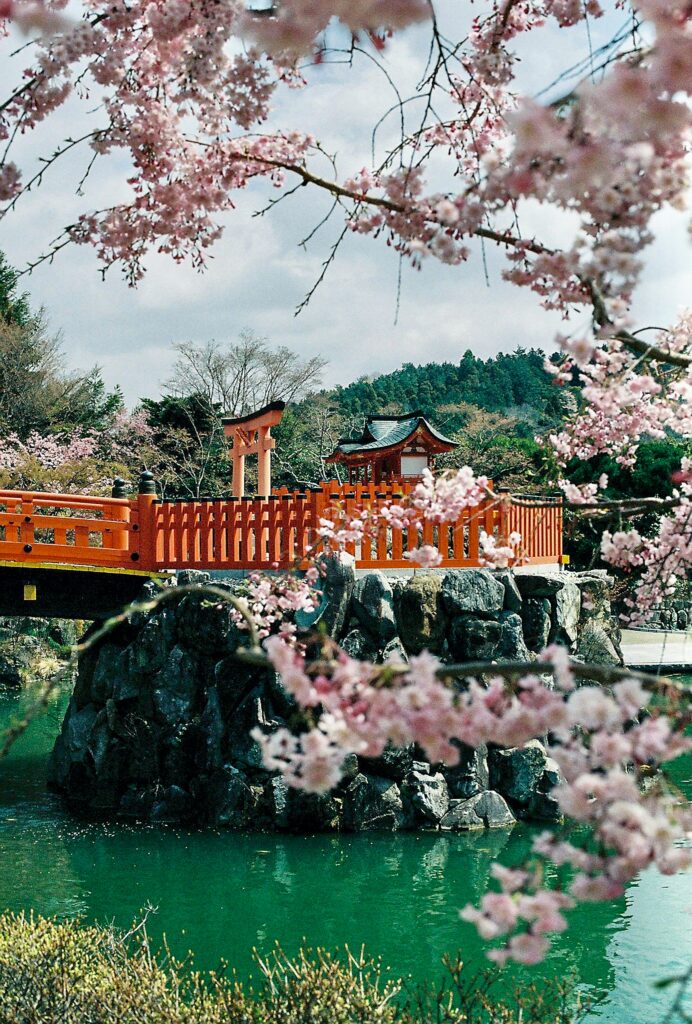
Blossom season creates a refined backdrop for thoughtful travel.
Luxury hotels in Tokyo curate seasonal menus inspired by fresh spring ingredients. Private garden access, rooftop views, and guided walking experiences offer intimate perspectives on the city during this iconic time.
When your itinerary is carefully planned, your day flows naturally from a peaceful morning stroll beneath cherry blossoms to an elegant dinner reservation in the evening.
How to Plan Spring Travel to Tokyo
Flights during March and April increase as demand rises.
Booking three to six months in advance often provides stronger pricing options. Comparing routes into Narita and Haneda airports may reveal meaningful differences depending on your departure city.
Flexibility by even one day on departure or return can shift airfare noticeably. Planning ahead allows your spring travel experience to feel composed and well paced.
Where to Stay in Tokyo for Seasonal Views
Your hotel shapes the rhythm of your trip.
Properties such as Aman Tokyo, The Peninsula Tokyo, and Hotel Chinzanso Tokyo offer garden access or skyline views that complement the cherry blossom experience beautifully.
Location matters. Staying near key parks or convenient transit lines makes each day smoother, especially during high season when the city is vibrant.
Cultural Experiences to Add When You Visit Tokyo
Japan offers extraordinary cultural depth beyond the blooms themselves.
Attend a tea ceremony. Wander historic districts. Experience Tokyo festivals rooted in centuries of tradition.
Adding a guided cultural experience provides context that transforms your trip from visually stunning to deeply meaningful.
Planning the Right Season for Your Tokyo Trip
The best time to visit Tokyo depends on what you value most in your travel experience.
If witnessing cherry blossoms at peak bloom feels essential, late March through early April is ideal. If you prefer fewer crowds and vibrant foliage, fall in Tokyo may align better with your vacations.
Japan rewards thoughtful planning. When season, pacing, accommodations, and cultural experiences come together intentionally, your trip feels cohesive and well considered.
If Japan is on your list and you would like support aligning timing, pricing, and seasonal strategy, I would be honored to help you design a journey that reflects how you want to experience it.


